Cargo Fumigation
Cargo fumigation refers to the process of treating goods or shipping containers with fumigants (chemical gases or vapors) to eliminate pests, such as insects, rodents, or other harmful organisms, that could potentially be carried with the cargo. The fumigation ensures that the goods meet the phytosanitary (plant health) regulations required by many countries before they are transported internationally or domestically.
01. Why Cargo Fumigation is Needed
Before shipping goods overseas or across borders, ensuring safety and compliance is vital. Fumigation plays a critical role in global logistics:
Prevent Pest Spread
Certain pests, like wood-boring insects, beetles, or weevils, can travel with cargo and invade other countries, causing damage to local environments and industries.
Regulatory Compliance
Many countries have strict regulations regarding the entry of cargo to ensure that it is pest-free. Fumigation ensures compliance with the standards set by authorities like IPPC and WTO.
Protecting Agriculture
Some pests can damage crops and food products. Fumigating agricultural products and packaging materials before shipment helps prevent pest-related losses.
02. Core Cargo Fumigation Services
We provide specialized, certified fumigation services across all major transport modes to ensure your cargo complies with international quarantine regulations:
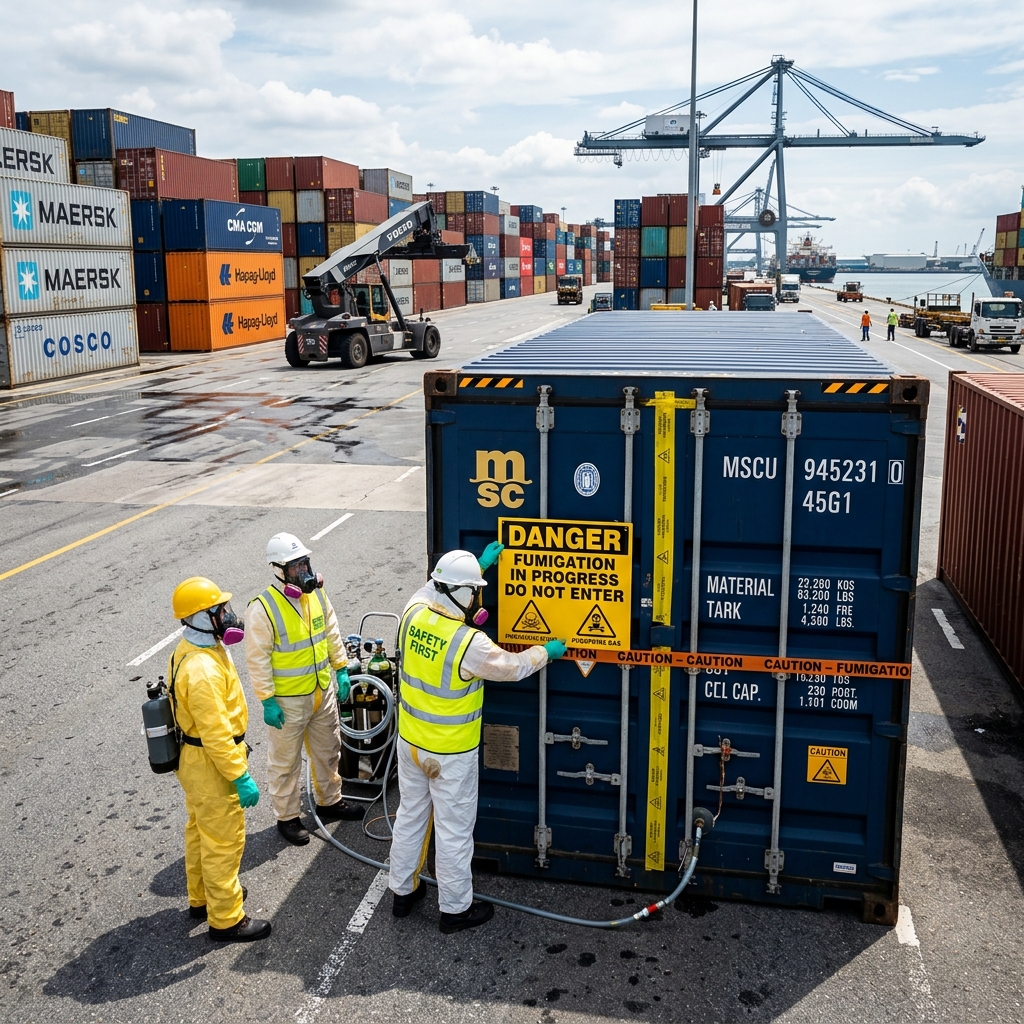
Container Fumigation
The most popular cargo transport choice in the world is ocean-going containers. Containers are usually gas-tight and form an excellent enclosure for the fumigation operations. The volume of the containers is definite, making it easier to administer the correct dosages while carrying out treatments. Over 40 years, our team has fumigated over 6 million containers shipped to various destinations worldwide. Through decades of experience, we have designed and developed state-of-the-art systems to ensure the highest quality results.
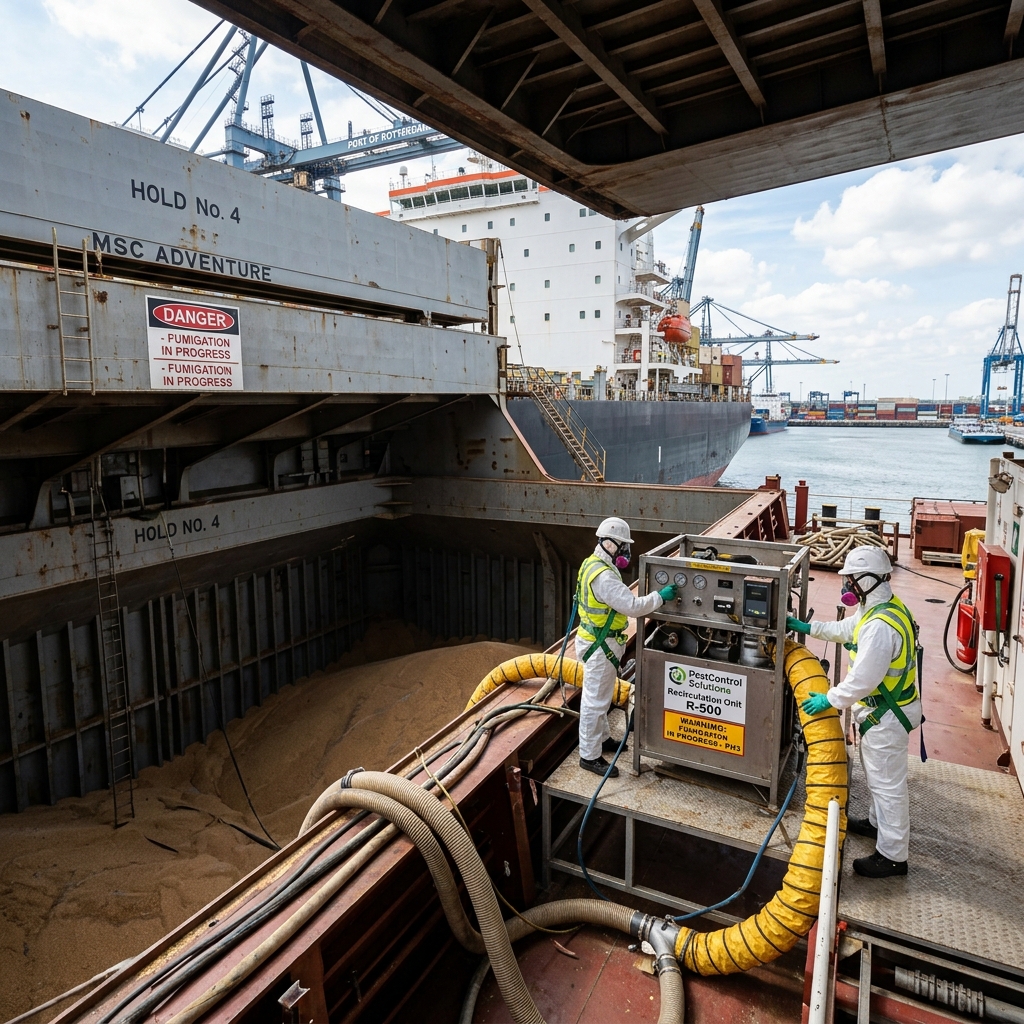
Vessel Fumigation
We are experts in carrying out vessel fumigation using Methyl Bromide or Aluminium Phosphide. Our technical team regularly treats bulk vessels carrying rice, wheat, maize, wooden logs, and other agro-commodities. We are equipped with state-of-the-art equipment specially designed for bulk vessel fumigation, including hot gas circulating systems. Our experienced teams can safely perform operations both in outer anchorage and at the wharf side.
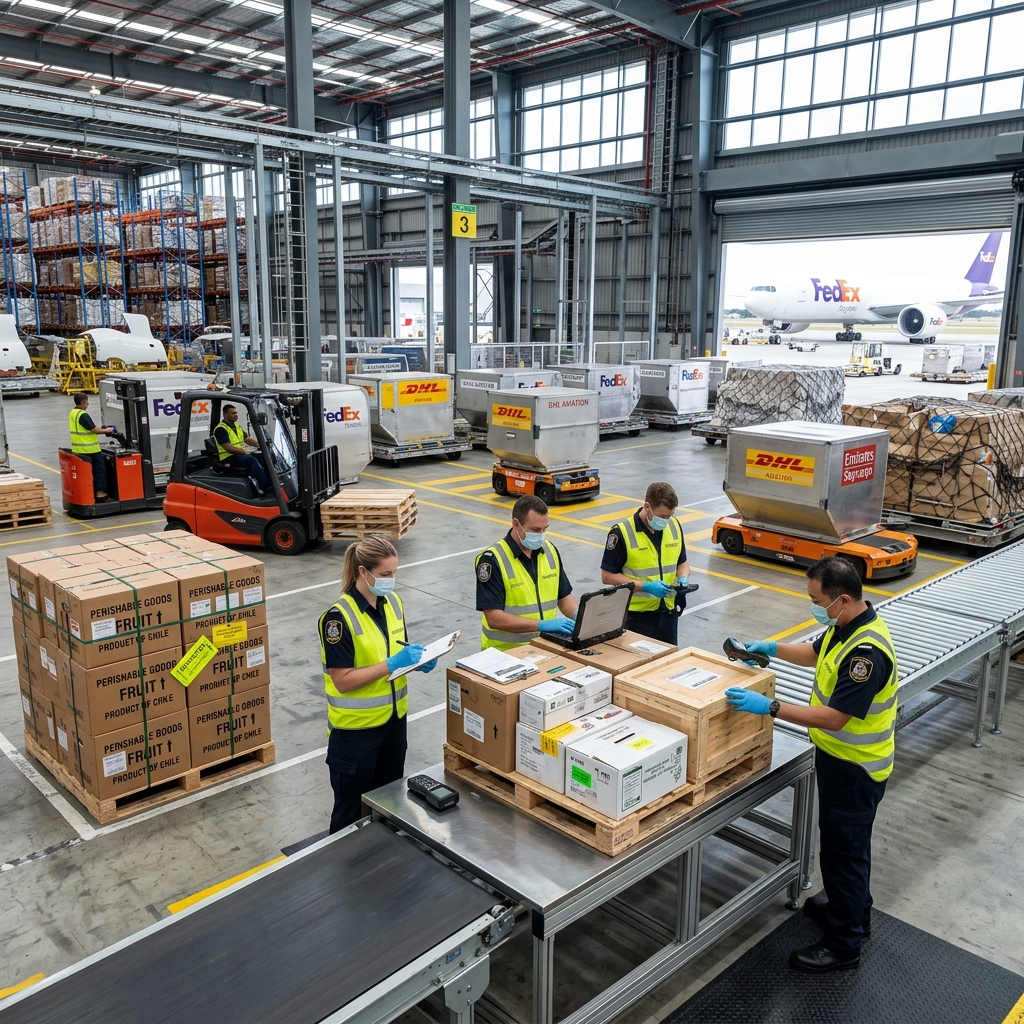
Air Cargo Fumigation
In today's fast-moving world, air cargo must be rushed to global destinations. Dispatching air cargo requires special attention to comply with strict quarantine requirements for wooden packaging materials and agricultural products. Air cargo treatments must be executed swiftly and efficiently; after thorough aeration, cargo is cleared for immediate flight schedules. Advanced planning and precise gas monitoring are critical to meet tight airline logistics.
03. Types of Cargo Requiring Fumigation
Different cargo types present different vectors for pest transmission. The following materials typically require quarantine fumigation:
04. Fumigants Used in Cargo Fumigation
We deploy specialized, government-approved chemical treatments based on the cargo type and regulatory standards:
One of the most commonly used fumigants for cargo. It is used to treat bulk grains, dried fruits, and other dry products.
Highly effective against wood-boring insects. Note: Its use is tightly regulated and phased out in some regions due to environment guidelines.
Often used for fumigating packaged goods and containers, especially for pests like termites and beetles.
Used in controlled environments where chemical treatments are restricted or organic standards apply.
05. Regulations and Certifications
- International Standards (ISPM-15): The International Plant Protection Convention (IPPC), part of the FAO, sets global phytosanitary standards to prevent the introduction and spread of plant pests.
- Phytosanitary Certificates: Official documents required by destination countries confirming agricultural commodities have been inspected and treated as per rules.
- Fumigation Certificates: Essential proof documents issued by licensed providers confirming cargo containers/materials have been fumigated correctly.
06. Commodity-Specific Fumigation
- Wood Packaging & Pallets (ISPM-15): Requires all WPM (pallets, crates, boxes, dunnage) to be officially treated and stamped to eradicate pests.
- Agricultural Commodities: Treats grain, seeds, coffee, cocoa, and foodstuffs to prevent weevils, moths, and rodents from ruining cargo value.
- Personal Effects & Household Goods: Ensures bedbugs, fleas, and rodents are not cross-contaminated during global relocation container logistics.
07. Safety Considerations & Compliance
- Toxicity: Chemicals like phosphine and methyl bromide are highly toxic. Treatments must only be handled by licensed, trained professionals.
- Ventilation & Gas Clearance: Containers or warehouses must be properly ventilated. Safe entry certificates are issued only after gas level checks.
- Fines and Rejections: Non-compliance with the destination country's regulations will result in customs rejection, expensive returns, or destruction of cargo.
08. Choosing STAR FUMIGATION
- 30+ Years Industry Experience: Run by industry veterans and quarantine experts certified under DPPQ&S and AQIS.
- AFAS & ISPM-15 Certified: Authorized to treat, stamp, and issue treatment certificates for global export containers.
- Comprehensive Inspection: Complete pre-fumigation check, sealing validation, professional dosage calculation, and gas clearance.